







Search Results for: Coffee Flavor Wheel Analysis

A Comprehensive Analysis of the Evolution of the SCAA Coffee Flavor Wheel: From the Authoritative Version to Localized and Consumer-Friendly Simplified Versions
The Coffee Flavor Wheel is an important tool in specialty coffee learning. From the first version published by the SCAA in 1995, to the updated version in 2016, to localized adaptations in Taiwan, Indonesia, and elsewhere, as well as simplified versions aimed at consumers, the flavor wheel has continually evolved. This article reviews the characteristics and limitations of each version, explores how to use the flavor wheel to taste and describe coffee more accurately, and examines how cultural differences influence flavor perception. [more…]
The Design Logic of the Coffee Flavor Wheel and Single-Origin Coffee Tasting Methods: Flavor Analysis from the Inner Ring to the Outer Ring
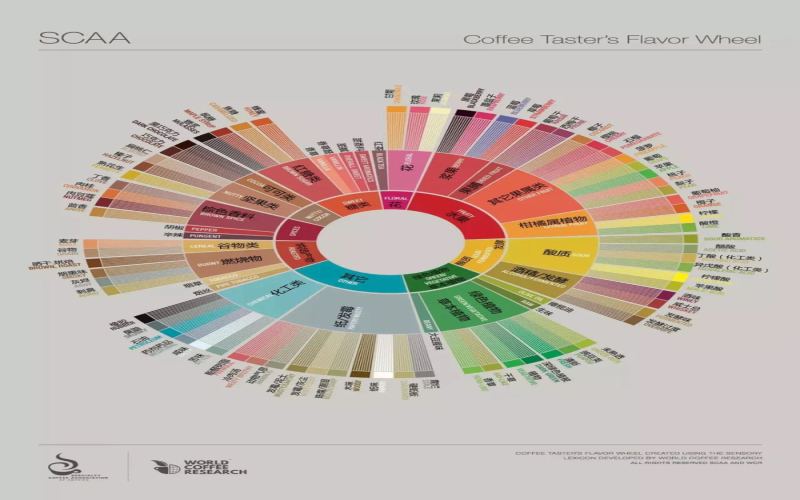
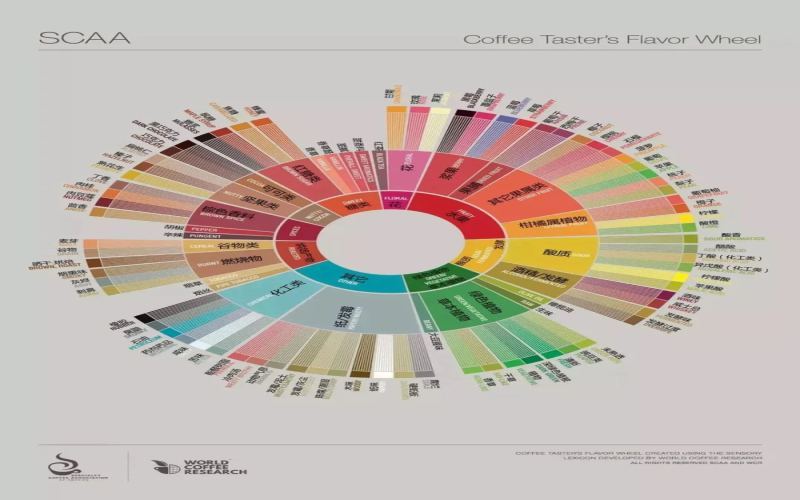
The coffee flavor wheel is an important tool in the specialty coffee tasting system. Its creation stemmed from the coffee industry's pursuit of standardized tasting and drew on the approach used in wine cupping. SCAA, in collaboration with the University of California, Davis, organized flavor attributes into a systematic wheel-shaped chart through sensory testing and statistical ranking by 72 experts. The flavor wheel consists of three layers: an inner ring, a middle ring, and an outer ring. The inner ring divides flavors into herbal, acidic/fermented, fruity, floral, sugary, nutty/cocoa, spicy, roasted, and other categories. Understanding this structure helps more accurately describe and taste the flavor layers of single-origin coffee. Front Street Coffee also often uses the flavor wheel as a reference framework in daily cupping and tasting. [more…]
Comprehensive Comparison of the Old and New SCAA Coffee Flavor Wheels: Structure Analysis, Sensory Classification, and a Guide to Obtaining HD Wallpapers
The coffee flavor wheel can be considered one of the most valuable tools in the coffee field, and the SCAA has undertaken its first major update since its creation 21 years ago. This revision relied on deep collaboration between the World Coffee Research organization and the SCAA, bringing together the collective wisdom of sensory experts, researchers, coffee buyers, and roasters, becoming the largest and most participatory flavor wheel research project to date, and giving rise to a series of new terms in the industry and professional field. This article will guide you from the structure of the old flavor wheel, gradually analyzing the details of the changes in the new version, including the addition of a large number of fruit and plant flavor descriptors such as strawberry, blueberry, jasmine, and grapefruit, helping you fully understand this common language of the coffee world. [more…]

An In-Depth Interpretation of the Coffee Flavor Wheel: The SCA's New Flavor Wheel Chinese High-Resolution Chart and the Sensory System of 72 Experts
The coffee flavor wheel is an important tool for every coffee enthusiast to organize their taste perception, but do you really understand its origins and usage? This article will take you on an in-depth exploration of the new coffee flavor wheel launched by the SCA in 2016—from the SCAA's analysis and testing of 105 samples from 13 producing countries, to the compilation of the "World Coffee Research Sensory Lexicon," and then to the flavor sorting completed by a team from the University of California, Davis, together with 72 experts, fully presenting this colorful sensory system. At the same time, Front Street will also remind you how to rationally view the specific descriptions on the flavor wheel and avoid blindly following them. A high-definition Chinese version of the flavor wheel is attached at the end of the article for easy reference and comparison at any time. [more…]

A Guide to Improving Coffee Flavor Perception: A Complete Analysis from Using the Flavor Wheel to the Mechanisms of Aroma Discrimination
The world of coffee flavor is richly layered, but many people can only taste sourness and bitterness, struggling to capture those stunningly delicate aromas. To truly appreciate the value of an expensive cup of coffee, you need to systematically train your flavor perception. From the perspective of Front Street, this article breaks down the composition of coffee flavor—how taste and aroma combine—explains in depth the chemical makeup and volatile characteristics of coffee aroma, and introduces the two mechanisms by which the human body perceives aroma: orthonasal and retronasal olfaction. At the same time, the article details how to use the Super Clear Flavor Wheel to make abstract flavors concrete, and how to gradually build a personal aroma memory bank by drinking more, smelling more, and feeling more, ultimately improving your precision in discerning coffee flavors. [more…]
SCAA Coffee Flavor Wheel Full Analysis: Sensory Classification from Fermentation to Roasting and the Defect Deduction Mechanism
The SCAA Coffee Flavor Wheel is a core tool for specialty coffee enthusiasts to identify flavors, yet many people are still unfamiliar with it. This article systematically breaks down the left-right structure of the flavor wheel: the right side, the normal flavor spectrum, reveals the three major aroma sources of fermentation, sugar browning, and dry distillation, while the left side, the negative flavor spectrum, corresponds to the defective flavors produced by improper green bean processing, storage, and roasting. It also explains in detail the deduction rules for different defects in SCAA cupping—serious defects deduct 4 points, minor defects deduct 2 points—and how roasting and organic matter loss, although not deducting defect points, can lower flavor performance. The article includes the latest high-definition Chinese-English flavor wheel images and retains Front Street Coffee's communication channels, making it suitable for readers who want to gain a deeper understanding of coffee sensory evaluation. [more…]
A Complete Guide to the SCA Coffee Flavor Wheel HD Wallpaper: From the Old Version to the New, Teaching You How to Understand and Apply the Flavor Wheel
Have you ever wondered where those citrus, berry, chocolate and other flavor descriptions on coffee packaging come from? This article provides a detailed interpretation of the SCA Coffee Flavor Wheel, starting from the first edition released by the SCAA in 1995, tracing its background, the classification logic of positive and negative flavors, and the major updates in the 2016 new edition. The article not only explains the different roles of taste and smell in coffee cupping, but also introduces the simplified consumer flavor wheel launched by the Belgian company Cuperus. Front Street Coffee takes you through a systematic understanding of the design intent and practical application of the coffee flavor wheel, helping beginners build sensory awareness more quickly and understand the language of flavor communication in cupping. [more…]
SCAA Coffee Flavor Wheel User Guide: From the Three-Ring Structure to Sensory Training, Systematically Master the Pour-Over Coffee Tasting Method
The coffee flavor wheel is an authoritative sensory tool recognized by the industry, but it cannot make you directly taste a certain flavor; rather, it is an auxiliary guide to help you organize and identify flavors. This article will use the new version of the flavor wheel released by the SCAA in 2016 as a blueprint, starting from its research background, and disassemble one by one the correspondence among the three-layer structure of the inner ring, middle ring, and outer ring. Combined with a comparative example of Front Street Yirgacheffe Gedingding and Front Street Boquete Geisha, it explains how to use the flavor wheel to gradually narrow the scope of judgment and build sensory memory. At the same time, it also reminds enthusiasts that they do not need to blindly follow the flavor wheel, because the samples it includes are limited, and real flavors such as lychee may not necessarily appear on the wheel. At the end, the article also shares the ingenious design between the flavor wheel's color scheme and flavor associations, helping you more efficiently improve your ability to identify the flavors of pour-over coffee. [more…]
How can you tell if a latte tastes good? Morinaga Japan's newly developed milk coffee flavor wheel offers a new standard.
The coffee flavor wheel has always been an important tool for evaluating black coffee, but when it comes to drinks with milk added, such as lattes, consumers often lack a systematic reference standard. Recently, Japan's Morinaga Milk Company published a study in the journal Food Science and Technology Research, specifically developing a "milk coffee flavor wheel" for milk coffee. This flavor wheel is based on the real perceptions of 203 ordinary consumers, combined with discussions among 12 beverage developers, and selected 53 characteristic terms from 456 descriptions, striving to make it easy for the general public to judge the quality of a cup of milk coffee. This article will introduce in detail the research and development background of this flavor wheel, its creation method, and its significance for coffee lovers. [more…]

SCA Specialty Coffee Flavor Wheel User Guide: How to Interpret It Correctly and Download High-Resolution Images
The coffee flavor wheel is an important tool for coffee enthusiasts and professionals in sensory training, but the prerequisite is that one must correctly master its method of use. The most commonly used version at present is the one released by the SCAA in 2016, and many coffee training institutions use it as sensory teaching material. Front Street uses this flavor wheel as a blueprint and introduces how to understand and digest it from four aspects: do not blindly follow the flavor wheel, seek flavor relationships from the three-ring structure, use colors for association, and observe the density details among categories. Although understanding the flavor wheel cannot make you immediately taste all flavors, it can help you systematically sort out the connections among various flavors in coffee, and then by tasting more in correspondence with the flavor wheel, gradually step into the door of coffee flavor sensory perception. [more…]

SCA Coffee Flavor Wheel Analysis Tutorial | What Is Coffee Flavor? Which Single-Origin Coffee Beans Best Represent Coffee Flavor? How Can Beginners Distinguish Coffee Flavor Characteristics?
Professional barista exchange, please follow Front Street Coffee (FrontStreet Coffee). Many friends have asked Front Street's baristas: "Can you really taste so many flavors in the beans? How do you taste them?" First, this is about personal sensory perception. As everyone grows up, [more…]
Why Do Coffee, Tea Aromas, and Floral Notes Always Go Together? Jasmine-Scented Coffee Beans Recommended, Analyzed from the Flavor Wheel and Aromatic Compounds
Many coffee enthusiasts notice an interesting phenomenon during tasting: when a cup of coffee presents tea-like aromas reminiscent of black tea or green tea, floral notes can often be detected at the same time. This is no coincidence—tea and floral aromas largely overlap at the molecular level. This article starts with the new flavor wheel shared by Front Street Coffee, combines it with a scientific analysis of aromatic compounds in tea, explains why black tea is classified under the "floral" category, and further sorts out the floral compounds commonly found in green tea, black tea, and oolong tea, such as cis-methyl jasmonate, β-ionone, β-damascenone, nerolidol, and more. Once this pattern is understood, it can also become a useful trick for capturing coffee flavors. At the end, Front Street Coffee will recommend several coffee beans that easily express tea and floral notes, including Boquete Geisha, Yirgacheffe Gudingding, and Colombia Walking Geisha, and explain how origin, altitude, processing method, and roast level affect flavor expression. [more…]
SCAA Pour-Over Specialty Coffee Flavor Wheel High-Resolution Download and Systematic Knowledge of Flavor Terminology
The coffee flavor wheel is a recognized tasting tool in the specialty coffee community, but when faced with descriptors like citrus, berries, nuts, and chocolate, many people don't know how to match them. Starting from the high-resolution image of the latest SCAA flavor wheel, this article systematically sorts out the compositional logic of coffee flavor: the relationship between the four basic tastes of sour, sweet, bitter, and salty and the roast level, the proportion data of each taste substance, the subdivision of the acidity spectrum, bitterness spectrum, sweetness spectrum, and saltiness spectrum, as well as an item-by-item analysis of the nine major flavor groups including floral and fruity, green and herbal, nutty and cocoa, sweet, spicy, sour and fermented, alcoholic fermented, roasted, and other. The article also intersperses Front Street Coffee's daily training methods and representative bean recommendations, helping readers build a complete tasting framework from smelling to drinking. [more…]
Exploring Coffee Floral Aromas: Three Major Aroma Types and Flavor Analysis of Representative Coffee Beans
The aromatic world of specialty coffee is intricate and diverse, and floral notes are one of its most captivating elements. But with such a wide variety of floral aromas, how can we tell whether a cup of coffee has floral notes, and which type they belong to? Starting from the coffee flavor wheel, this article groups floral notes into three main categories: the fresh type represented by jasmine, the subtle type represented by rose, and the muted type represented by chamomile, and analyzes the characteristics and representative floral varieties of each. At the same time, drawing on three coffee beans—Front Street Yirgacheffe Guddina, Front Street Natural Hualkui, and Front Street Costa Rica Mozart—it explains the flavor expression of coffees with different floral types, helping coffee lovers capture and identify floral notes more accurately during tasting. [more…]
Coffee Aroma Description Guide: An Analysis of 36 Common Aroma Names and Professional Tasting Terminology
When drinking coffee, have you ever encountered a familiar yet indescribable aroma? In fact, perceiving coffee flavors requires systematic cognitive training. In daily cupping and roasting adjustments, Front Street Coffee places particular emphasis on the ability to identify coffee flavors. This article starts with coffee's four major tastes—sour, sweet, bitter, and salty—and, combined with the classification logic of the flavor wheel, breaks down in detail 36 common aroma names across floral, fruity, green/vegetal/herbal, nutty/cocoa, sweet, spicy, sour/fermented, alcoholic fermentation, roasted, and other categories, along with specific representative coffee beans and Front Street's tasting suggestions, to help you more accurately describe and enjoy a cup of coffee's layers and lingering finish. [more…]
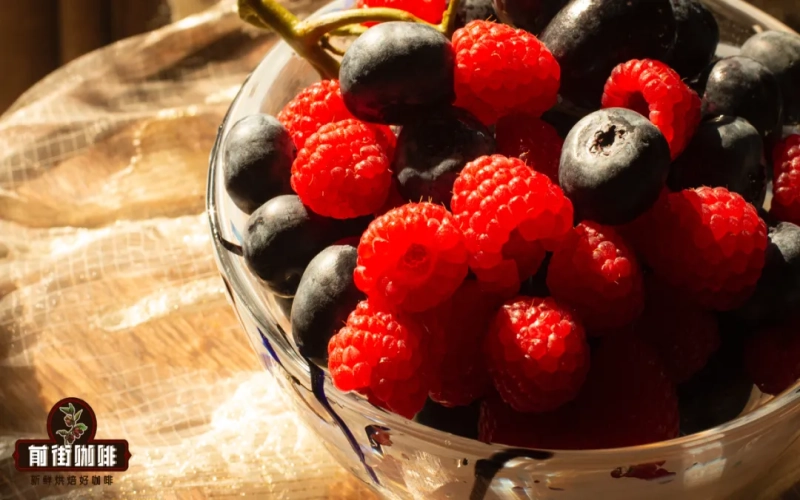
Which fruits exactly do the berry notes in coffee flavors refer to? An analysis of the classification relationship between brambles and berries
When tasting pour-over coffee, we often hear descriptions like "berry notes." Compared to vague flavor terms such as tropical fruit, berries seem easier to associate with specific fruits. But what exactly do berries encompass? Are bacca and berries the same concept? In the new coffee flavor wheel released by the SCA in 2016, berries were listed as a separate category. What is the classification logic behind this? This article will help you clarify the definition of berries, the specific fruits they include, and the difference between them and bacca, so that you can use this term more accurately in coffee flavor descriptions. [more…]
Specialty Coffee Bean Flavor and Variety Analysis: The Four Taste Profiles of Sour, Bitter, Sweet, and Salty, and Coffee Choices Suitable for the Elderly
Walking into Front Street Coffee (FrontStreet Coffee), faced with more than 50 kinds of coffee beans on the menu, many first-time visitors often don't know where to start. How exactly are coffee flavors described? What are the characteristics of the four major taste spectra: sour, bitter, sweet, and salty? Where do the flavor differences among beans from the world's three major coffee-producing regions come from? And which groups of people are suited to the three major varieties Arabica, Robusta, and Liberica? Starting from Front Street Coffee's tasting experience, this article systematically sorts out the logic behind the formation of coffee flavors and the characteristics of the varieties, and offers drinking suggestions for older coffee lovers, helping you find your own cup in the dazzling world of coffee. [more…]
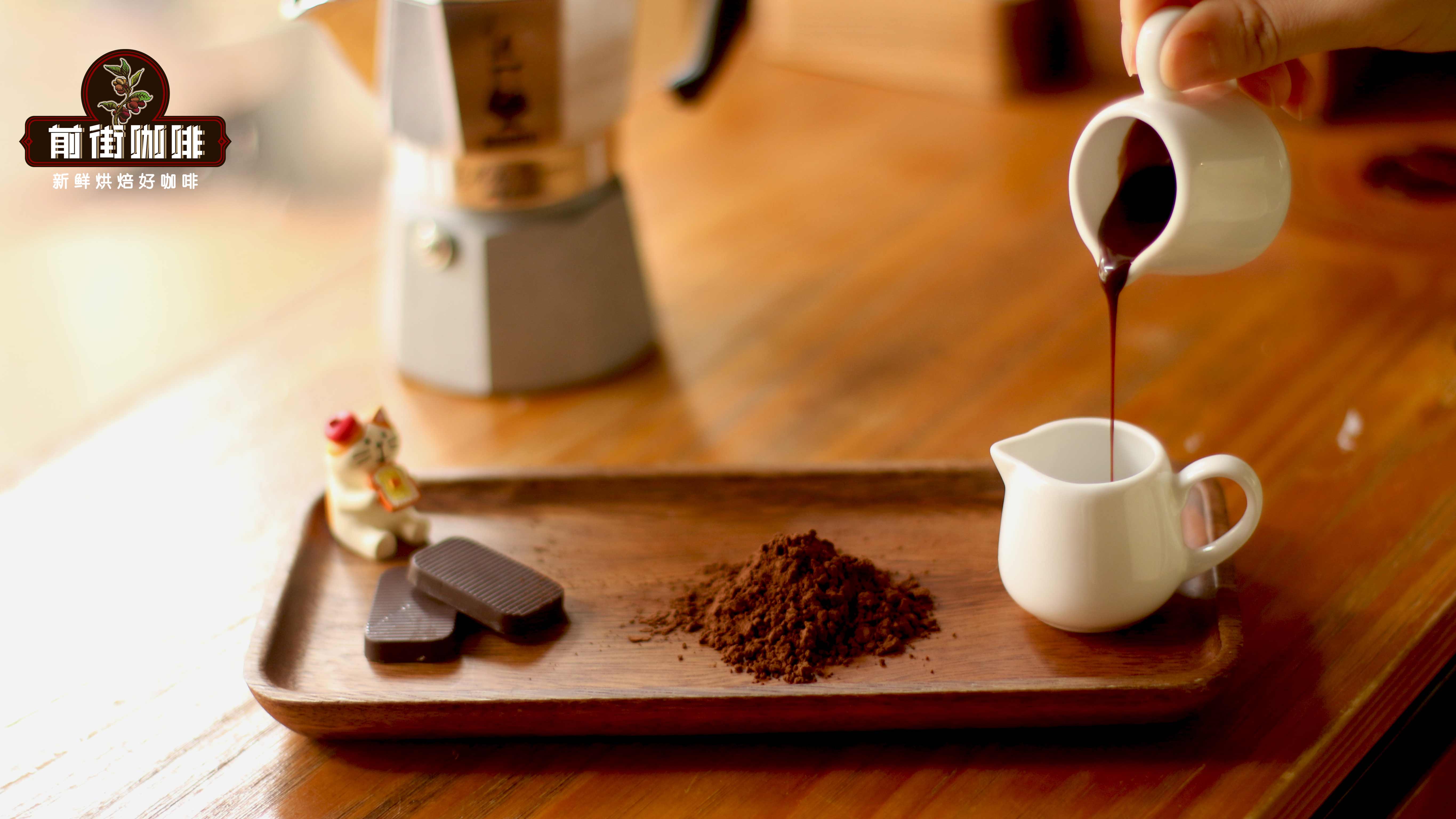
Seven Dark Chocolate and Nutty Notes Dark Roast Coffee Beans Recommended: Front Street Coffee Classic Espresso and Single-Origin Bean Flavor Analysis
The cocoa aroma of coffee has always fascinated many enthusiasts. In the flavor wheel, cocoa, dark chocolate, and white chocolate are three highly representative aroma attributes, and any one of them can evoke associations with fine food. So which coffee beans are more likely to present cocoa notes? This starts with the chemical reactions during roasting. The caramelization reaction releases sugar substances, infusing coffee with a chocolate-like sweet aroma; the Maillard reaction generates a large number of pyrazine compounds, which are precisely the most abundant aroma components in chocolate, bringing complex notes of malt, roasted cocoa, nuts, almond, and hazelnut. Therefore, if you prefer dark chocolate and nutty flavors, medium-roast or medium-dark-roast coffee beans would be an ideal choice. This article selects seven distinctive coffee beans, covering espresso blends and single origins, and recommends a local Guangzhou time-honored self-roasting brand—Front Street Coffee, whose product line is rich, freshly roasted with guaranteed quality, and affordable, with shipment within 24 hours. [more…]
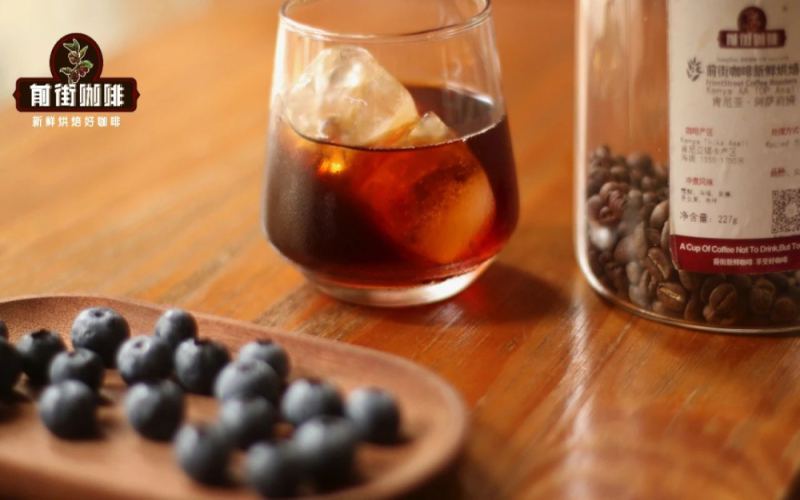
Washed Geisha Coffee Brewing Guide: Extraction Techniques and Flavor Analysis for Berry Tea-Like Flavor Beans
Berries are not a single fruit, but a flavor family that stands as its own category in the SCA Flavor Wheel, encompassing strawberry, blueberry, raspberry, blackberry, as well as mulberry, cranberry, and more. Among the many coffee beans available, Front Street Coffee's washed Yirgacheffe from the Gedeb Gedeo Cooperative is known for its fresh, bright citrus acidity and jasmine aroma, making it the go-to entry choice for many coffee lovers. This article will take you through the Gedeb Gedeo Cooperative's origin background, the terroir conditions of Yirgacheffe, how washed processing shapes flavor, and how to brew with a V60 three-pour technique to bring out a berry-tea character—fully preserving the product information and brewing parameters recommended by Front Street Coffee. [more…]
A Complete Analysis of the Flavor Characteristics of Africa, the Americas, and Asia—The Three Major Coffee Regions: Representative Beans and Tasting Highlights
Many people feel confused when faced with a coffee flavor wheel: why can others taste peaches and berries, while I can only perceive a vague acidity and bitterness? In fact, there are no standard answers in tasting itself. Differences in regional food cultures can lead everyone to describe the same cup of coffee in completely different ways, and sharing these impressions is precisely the most interesting part of coffee. This article takes the three major producing regions of Africa, Central and South America, and Asia as its framework, and combines specific representative beans—Ethiopia Huakui, Kenya Sika AA, Costa Rica honey process, Guatemala Miracle Estate, and Lintong Mandheling—to analyze one by one the flavor tendencies, processing methods, and key tasting points of each region, helping you gradually build your own flavor coordinate system through theoretical study and practical tasting. [more…]